Blog

  • Smartwatch vs Fitness Band: Which One Fits Your Lifestyle Better?

    Smartwatch vs Fitness Band: Which One Fits Your Lifestyle Better?

    Maybe you want to walk more. Maybe you’re trying to keep track of your sleep, your steps, or your workouts. Or maybe you just want something on your wrist that keeps you connected without pulling out your phone every few minutes.

    That’s when you start looking at wearables.

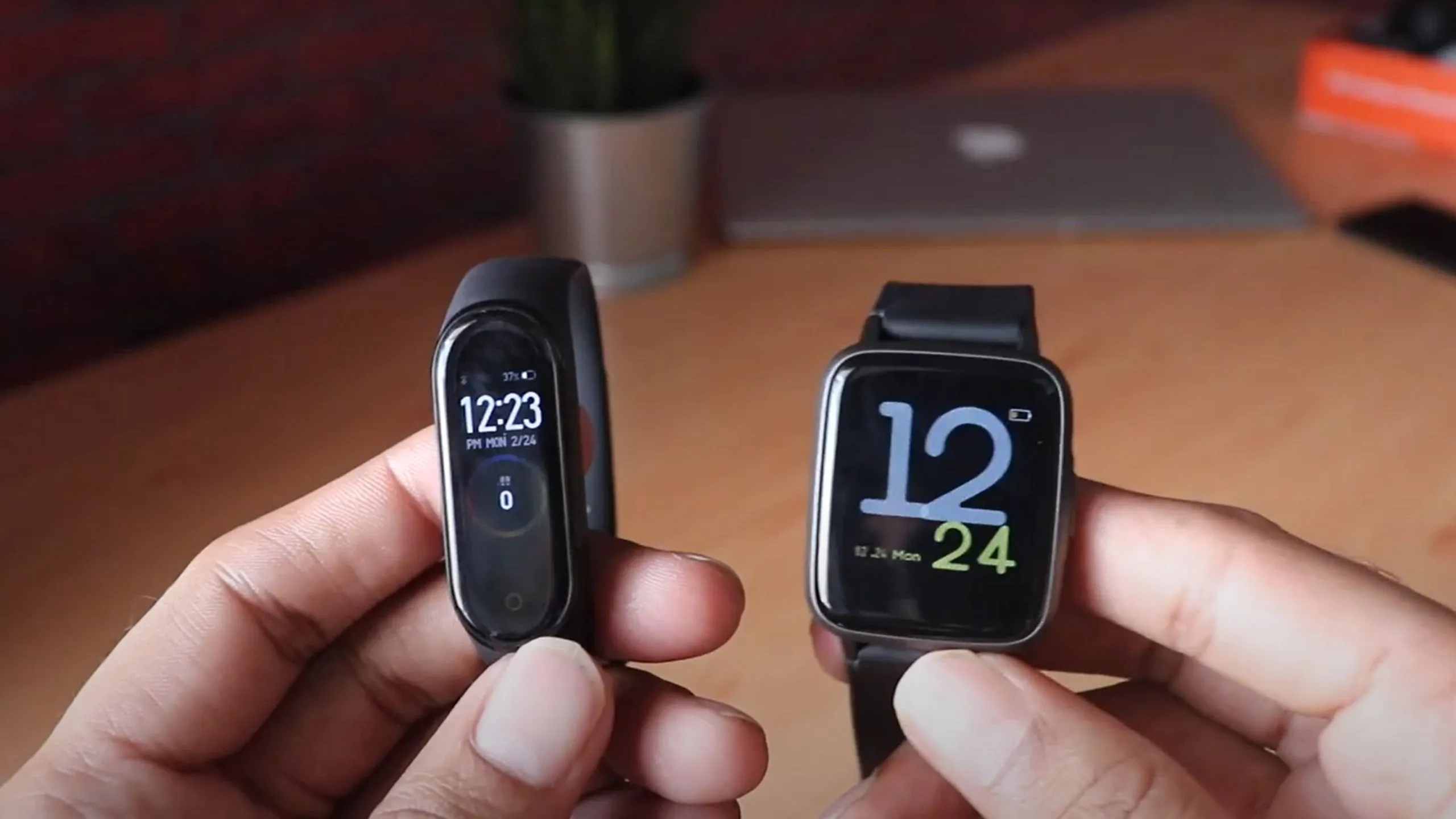
    On one side, there’s the smartwatch—sleek, feature-packed, almost like a tiny phone on your wrist. On the other side, there’s the fitness band—lighter, simpler, and focused on health tracking.

    At first glance, they seem similar. Both track steps, both monitor activity, and both promise to help you stay on top of your health. But once you start thinking about how you’ll actually use them, the differences become clearer.

    Daily Life: All-in-One Convenience vs Focused Simplicity

    Imagine two people starting their day.

    One glances at their smartwatch as they wake up. It shows notifications, weather updates, calendar reminders, and maybe even messages from overnight. Throughout the day, it buzzes gently with calls, emails, and app alerts. You can reply to messages, control music, check directions, and even make quick calls—all without reaching for your phone.

    The other person wears a fitness band. It quietly tracks sleep, steps, and heart rate. There are no constant notifications, no distractions—just simple data that helps you stay aware of your activity. It feels almost invisible, doing its job in the background.

    This is where the core difference begins.

    Smartwatches are designed to extend your phone. They bring apps, notifications, and connectivity to your wrist. You can interact with them, customize them, and use them throughout the day for more than just fitness.

    Fitness bands are more focused. They track health metrics efficiently and keep things simple. You don’t get the same level of interaction, but you also don’t get the same level of distraction.

    For some people, that simplicity is a huge advantage.

    A smartwatch can feel powerful, but it can also feel busy. Notifications can interrupt your focus, and the constant connectivity may feel overwhelming.

    A fitness band, by contrast, keeps things quiet. It tracks what matters without pulling your attention away from your day.

    So in everyday use, smartwatches offer convenience and versatility, while fitness bands offer simplicity and focus.

    Health Tracking, Battery Life, and What You Really Use

    Now think about why you wanted a wearable in the first place.

    If your main goal is fitness—tracking steps, monitoring workouts, keeping an eye on your heart rate—both devices can do the job. But they approach it differently.

    Fitness bands are built specifically for this purpose. They focus on essential metrics like steps, calories burned, sleep patterns, and heart rate. Many also include features like blood oxygen monitoring and basic workout tracking.

    They’re efficient and straightforward. You don’t have to dig through menus or manage apps. The data is there, easy to understand and easy to use.

    Smartwatches take things further.

    In addition to basic tracking, they often include advanced health features—detailed workout modes, GPS tracking, stress monitoring, and sometimes even ECG readings. They provide deeper insights and more detailed data for those who want to analyze their performance.

    But here’s the thing.

    Not everyone uses all those features.

    Many people buy a smartwatch for its capabilities but end up using only a fraction of them. Over time, the extra features can feel less essential, especially if your routine doesn’t require them.

    Battery life is another major difference.

    Fitness bands are known for lasting days, sometimes even weeks, on a single charge. You can wear them continuously without worrying about charging every night.

    Smartwatches, with their larger screens and advanced features, typically need more frequent charging—often every day or every couple of days. It’s not a dealbreaker, but it does add another task to your routine.

    Comfort also plays a role.

    Fitness bands are lightweight and slim. You can wear them all day, even while sleeping, without noticing them much.

    Smartwatches are larger and more noticeable. Some people enjoy the look and feel, while others find them a bit bulky for constant wear.

    So when it comes to health tracking and daily use, fitness bands offer efficiency and long battery life, while smartwatches offer depth and additional features.

    Cost, Style, and Long-Term Value

    Now let’s talk about value.

    Fitness bands are generally more affordable. They provide essential tracking features at a lower price point, making them accessible to a wide range of users. If your goal is to stay active and monitor your health without spending too much, they make a strong case.

    Smartwatches, on the other hand, are more expensive. You’re paying for a combination of fitness tracking, connectivity, design, and additional features. They’re positioned as premium devices that do more than just track activity.

    But value isn’t just about cost—it’s about what you get in return.

    Smartwatches often double as lifestyle accessories. They come in different designs, materials, and styles, making them feel like part of your outfit. You can switch watch faces, change straps, and customize them to match your look.

    Fitness bands are more minimal. They focus on function rather than style. While they’re improving in design, they’re still more about practicality than appearance.

    Longevity is another factor.

    A fitness band, with its simpler design and longer battery life, can remain useful for a long time without feeling outdated. It continues to track your activity just as effectively as the day you bought it.

    Smartwatches evolve faster. New features, updated software, and changing designs can make older models feel outdated sooner. That doesn’t mean they stop working—but the sense of having the “latest” experience can fade more quickly.

    Then there’s how you plan to use it over time.

    If you see your wearable as a tool—a way to stay active and monitor your health—a fitness band delivers consistent value.

    If you see it as a companion device—something that connects you to your digital life while also tracking your health—a smartwatch offers a broader experience.


    So which one fits your lifestyle better?

    If you want something simple, reliable, and focused on fitness, a fitness band often feels like the right choice. It does exactly what you need without adding complexity, and it fits easily into your routine.

    If you want more—more features, more connectivity, more ways to interact with your device—a smartwatch offers a richer experience. It becomes part of your daily life, not just your fitness journey.

    Most people don’t need every feature a smartwatch offers. But some people genuinely enjoy having that level of control and convenience.

    And that’s where the decision becomes clear.

    It’s not about which device is better overall. It’s about which one aligns with how you live—how much you want to stay connected, how deeply you want to track your health, and how much complexity you’re comfortable bringing to your wrist every day.

  • Robot Vacuum vs Manual Cleaning: Convenience vs Control

    Robot Vacuum vs Manual Cleaning: Convenience vs Control

    A bit of dust in the corner. Crumbs under the table. Maybe pet hair collecting faster than you expected. You notice it, tell yourself you’ll clean it later, and move on. But over time, those small messes add up, and suddenly cleaning feels like a task you keep postponing.

    That’s when the idea of a robot vacuum comes in.

    A device that moves on its own, cleans your floors while you’re busy, and quietly takes one chore off your list. It sounds almost too easy. But then another thought follows—can it really replace manual cleaning? Or is it just a helpful add-on?

    In 2026, the choice between robot vacuums and manual cleaning isn’t just about tools. It’s about how you manage your time, your space, and your expectations of what “clean” really means.

    The Cleaning Experience: Set It and Forget It vs Hands-On Control

    Picture two different mornings.

    In one home, a robot vacuum starts moving quietly across the floor. No one is actively cleaning. The device maps the room, avoids obstacles, and picks up dust while the household goes about its day. By the time you notice it, the floors already look cleaner.

    In another home, someone picks up a traditional vacuum or a broom. They move from room to room, focusing on corners, under furniture, and areas that need extra attention. It takes effort, but the result feels thorough and intentional.

    This is where the core difference begins.

    Robot vacuums are built for convenience. You can schedule them to run daily, control them through an app, or even start them with a voice command. They turn cleaning into something that happens in the background, without interrupting your routine.

    Manual cleaning, on the other hand, puts you in control. You decide where to clean, how deeply to clean, and when to stop. You can focus on problem areas, move furniture, and adjust your approach based on what you see.

    The feeling is different too.

    With a robot vacuum, cleaning becomes almost invisible. It’s done for you, often when you’re not even paying attention.

    With manual cleaning, you see the progress as it happens. You feel the effort, and there’s a certain satisfaction in knowing you’ve handled it yourself.

    But convenience has its limits.

    Robot vacuums are great for maintaining cleanliness, especially on hard floors and low-pile carpets. They pick up dust, hair, and small debris consistently. But they may miss tight corners, struggle with clutter, or need help when they encounter obstacles.

    Manual cleaning doesn’t have those limitations. You can reach every corner, adjust pressure, and ensure nothing is left behind.

    So in terms of experience, robot vacuums offer ease and automation, while manual cleaning offers precision and control.

    Time, Effort, and How Cleaning Fits Into Your Life

    Now think about your daily routine.

    How much time do you realistically want to spend cleaning?

    Robot vacuums are designed to save time. Once set up, they can run on their own schedule—daily, weekly, or whenever you choose. For busy households, this can make a noticeable difference. Floors stay consistently cleaner without requiring dedicated cleaning sessions.

    Instead of setting aside time to vacuum, you simply let it happen.

    Manual cleaning requires effort and attention. You need to take time out of your day, move around the house, and actively clean each area. For some people, this isn’t a problem—it’s part of their routine. For others, it can feel like a chore that’s easy to delay.

    But time savings come with trade-offs.

    A robot vacuum may need preparation. You might have to clear the floor of small objects, manage cables, or ensure it doesn’t get stuck. Occasionally, you’ll need to empty the dustbin, clean the brushes, or check for maintenance.

    Manual cleaning skips these steps. You grab your tools, clean, and you’re done.

    There’s also the matter of flexibility.

    If something spills suddenly, a robot vacuum isn’t always the quickest solution. You still need to step in and handle it manually. Manual cleaning gives you immediate control over unexpected messes.

    Noise is another factor.

    Robot vacuums are generally quieter and can run while you’re doing other things. Some people even let them clean while they’re out of the house.

    Traditional vacuums can be louder, making it harder to clean without interrupting others or your own activities.

    So when it comes to time and effort, robot vacuums reduce the need for regular cleaning sessions, while manual cleaning offers direct, immediate results when you need them.

    Cost, Effectiveness, and Long-Term Value

    Now let’s talk about value.

    A robot vacuum usually comes with a higher upfront cost compared to basic cleaning tools. You’re paying for sensors, navigation systems, and automation features. It’s an investment in convenience rather than just cleaning power.

    Manual cleaning tools—brooms, mops, traditional vacuums—are often more affordable. Even high-quality vacuum cleaners tend to cost less than advanced robot models.

    But cost isn’t just about the purchase price.

    Think about effectiveness.

    Robot vacuums are excellent for maintaining a clean home. If used regularly, they prevent dust and debris from building up. Over time, this can make your home feel consistently tidy without requiring deep cleaning as often.

    However, they may not replace deep cleaning entirely.

    Manual cleaning still has the upper hand when it comes to thoroughness. Removing stubborn dirt, cleaning carpets deeply, or reaching hidden areas often requires hands-on effort.

    So many households end up using both—robot vacuums for daily maintenance and manual cleaning for deeper sessions.

    Durability and maintenance also matter.

    Robot vacuums require periodic care—cleaning sensors, replacing brushes, and sometimes updating software. Over time, these small tasks add up, but they’re usually manageable.

    Manual tools are simpler. They require less maintenance and are easier to repair or replace if something goes wrong.

    Then there’s the long-term experience.

    A robot vacuum changes how you think about cleaning. It turns it into a background activity rather than a scheduled task. That shift alone can feel valuable, especially in busy lifestyles.

    Manual cleaning keeps you directly involved. It doesn’t reduce the effort, but it ensures a level of control that automation can’t fully match.


    So which one comes out ahead?

    If you value convenience, consistency, and saving time, a robot vacuum can be a powerful addition to your home. It keeps your floors clean with minimal effort and fits easily into modern, busy routines.

    If you prefer control, thoroughness, and the ability to handle every detail yourself, manual cleaning remains unmatched. It gives you confidence that every corner has been taken care of exactly the way you want.

    Most people don’t fully replace one with the other.

    They use robot vacuums to handle the everyday mess and rely on manual cleaning for deeper, more detailed work.

    And that’s where the real balance lies—not in choosing one over the other, but in understanding how each one supports the way you live, clean, and manage your home day by day.

  • Smart Refrigerator vs Traditional Fridge: Is Smart Worth the Price?

    Smart Refrigerator vs Traditional Fridge: Is Smart Worth the Price?

    It usually starts with something small.

    You open your fridge, stare inside for a few seconds, and wonder if you forgot to buy something. Maybe it’s milk. Maybe it’s eggs. Or maybe it’s that feeling that your kitchen could be just a little more… organized, a little more modern.

    That’s when you come across the idea of a smart refrigerator.

    A fridge that can show you what’s inside without opening the door. A fridge that can remind you what’s running low. A fridge that feels less like an appliance and more like a digital assistant.

    But then you look at the price, and the question becomes real: is it actually worth it? Or is a traditional fridge still the smarter choice?

    In 2026, this isn’t just about cooling food—it’s about how technology fits into your everyday life.

    Everyday Use: Simple Reliability vs Connected Convenience

    Imagine two kitchens.

    In one, there’s a traditional fridge. You open the door, grab what you need, close it, and move on. It’s simple, dependable, and does exactly what it’s supposed to do—keep your food fresh. There are no distractions, no extra features, no learning curve.

    In the other kitchen, a smart refrigerator quietly hums in the background. Its screen lights up when you walk by. You can tap it to check what’s inside, scroll through a shopping list, or even see the weather while making your morning coffee.

    At first, it feels like a small upgrade. But over time, it changes how you interact with your kitchen.

    Smart refrigerators bring convenience into everyday routines. Some models let you peek inside using internal cameras, so you can check what you need while you’re at the grocery store. Others allow you to create shopping lists, set reminders, or sync with your phone.

    It’s not just about storing food—it’s about managing it.

    Traditional fridges, on the other hand, don’t try to do more than necessary. And for many people, that’s exactly the point. There’s something reassuring about an appliance that simply works without needing updates, apps, or connectivity.

    Because convenience can go both ways.

    A smart fridge might save you a trip back to the store, but it also asks for your attention. You need to learn its features, keep it connected, and occasionally deal with software quirks.

    A traditional fridge asks nothing from you except to close the door properly.

    So in daily use, smart refrigerators offer added convenience and interaction, while traditional fridges offer simplicity and reliability.

    Features, Maintenance, and the Hidden Costs

    Now let’s look beyond the surface.

    A traditional fridge is straightforward. It cools, freezes, and keeps your food fresh. Maintenance is minimal—clean it occasionally, check the seals, and it keeps running for years.

    A smart refrigerator adds layers of technology.

    Touchscreens, Wi-Fi connectivity, internal cameras, voice assistants—these features create a more connected experience. You can play music while cooking, leave notes for family members, or even control other smart devices in your home.

    But with more features comes more complexity.

    There’s a higher chance that something might need attention—not necessarily the cooling system, but the smart components. A screen could glitch, software might need updating, or certain features may become outdated over time.

    It’s similar to owning a smartphone versus a basic phone. The smart version does more, but it also requires more care.

    Then there’s the cost.

    Smart refrigerators are significantly more expensive upfront. You’re not just paying for storage—you’re paying for technology, design, and connectivity.

    Traditional fridges are far more affordable, with a wide range of options that fit different budgets. They focus on performance rather than extra features, which keeps the cost down.

    Energy efficiency is another angle.

    Many modern fridges—both smart and traditional—are designed to be energy-efficient. Smart refrigerators sometimes include features that help optimize energy use, like alerts when the door is left open or adjustments based on usage patterns.

    But the difference in electricity consumption isn’t always dramatic enough to justify the higher price on its own.

    Longevity also matters.

    A good traditional fridge can last for many years without major issues. Smart refrigerators can last just as long in terms of cooling performance, but their tech features may age faster. What feels advanced today might feel outdated in a few years, especially as new features are introduced.

    So when it comes to cost and maintenance, traditional fridges offer predictability, while smart refrigerators bring innovation—with a bit more complexity attached.

    Lifestyle, Value, and What You Really Need

    Now step back and think about your lifestyle.

    Are you someone who enjoys connected devices? Do you already use smart home products, voice assistants, and apps to manage your daily routine? If so, a smart refrigerator might feel like a natural extension of that ecosystem.

    It can become a central hub in your kitchen—a place where information, organization, and convenience come together.

    But if your routine is more straightforward, the extra features might not add much value. You might find yourself using the fridge the same way you always have—opening the door, taking out food, and closing it—while the smart features sit mostly unused.

    There’s also the question of habits.

    Some people enjoy the idea of a fridge that helps them stay organized, reduces food waste, and keeps track of groceries. Others prefer to rely on memory, notes, or simple routines.

    Neither approach is better—it just depends on what works for you.

    Then there’s the emotional side of the kitchen.

    For many people, the kitchen is a place of comfort and simplicity. Adding a screen and digital features can feel modern and exciting, but it can also feel like bringing more technology into a space that was once more relaxed.

    Traditional fridges keep that simplicity intact. They don’t compete for your attention—they quietly do their job in the background.

    Smart refrigerators, on the other hand, become part of the experience. They interact with you, assist you, and sometimes even entertain you.

    So the real value isn’t just in what the fridge can do—it’s in how much of that you’ll actually use.


    So, is a smart refrigerator worth the price?

    If you value convenience, enjoy connected technology, and see your kitchen as part of a larger smart home, then a smart refrigerator can offer meaningful benefits. It can simplify certain tasks, add organization, and bring a modern touch to your daily routine.

    If you prefer reliability, lower cost, and a no-fuss approach to appliances, a traditional fridge continues to deliver everything you truly need—without the extra layers.

    Most people don’t need a smarter fridge. But some people genuinely benefit from one.

    And that’s where the decision becomes clear.

    It’s not about which one is more advanced. It’s about which one fits your life in a way that feels natural—every time you open that door and reach for something inside.

  • Induction Cooktop vs Gas Stove: Efficiency, Cost, and Taste Compared

    Induction Cooktop vs Gas Stove: Efficiency, Cost, and Taste Compared

    It usually starts in the middle of cooking.

    You’re standing at the stove, maybe stirring a pan or waiting for water to boil, when the thought crosses your mind—is there a better way to do this? Maybe your gas flame feels uneven, or maybe you’ve seen someone using a sleek induction cooktop that heats up in seconds. Suddenly, your everyday kitchen routine turns into a quiet comparison.

    Should you stick with a gas stove, something familiar and trusted for generations? Or move to an induction cooktop, the modern option that promises speed and precision?

    In 2026, this isn’t just a technical decision. It’s about how you cook, how much you spend, and even how your food turns out.

    The Cooking Experience: Flame vs Precision

    Imagine two kitchens side by side.

    In one, a gas stove is lit. You can see the flame, adjust it instantly, and feel the heat as you move your hand closer. There’s something almost instinctive about it. You don’t need to think much—you just cook. The flame responds to your touch, whether you want a gentle simmer or a high, roaring heat.

    In the other kitchen, an induction cooktop sits quietly. There’s no visible flame, no glowing coils. You place a pan on the surface, press a button, and within seconds, the pan heats up. The control is precise—numbers instead of flames, exact levels instead of guesswork.

    This is where the difference becomes clear.

    Gas stoves offer a direct, visual connection to heat. Many people find this comforting, especially if they’ve grown up cooking this way. You can tilt a pan, char vegetables over an open flame, or cook with techniques that rely on direct fire.

    Induction cooktops feel different. They heat the cookware directly using electromagnetic energy, which makes them incredibly responsive. Turn the heat down, and the change happens almost instantly. There’s less waiting, less residual heat, and more control over exact temperatures.

    Speed also plays a role.

    Induction cooktops are often faster, especially for tasks like boiling water or heating oil. What might take several minutes on gas can happen noticeably quicker on induction. That efficiency can make everyday cooking feel smoother and less time-consuming.

    But cooking isn’t just about speed—it’s about feel.

    Some cooks prefer the tactile experience of gas. The flame gives feedback. You can see it, hear it, and adjust it without thinking about numbers or settings.

    Induction, on the other hand, feels more like using a modern appliance. It’s precise, clean, and consistent—but it can take a little time to get used to if you’re coming from gas.

    So when it comes to the cooking experience, gas offers familiarity and flexibility, while induction offers control and speed.

    Efficiency, Safety, and the Real Cost of Cooking

    Now think about what happens behind the scenes.

    With a gas stove, heat is produced by burning fuel. Some of that heat goes directly into your pan, but a significant portion escapes into the air around it. You can feel it when the kitchen gets warm during cooking.

    Induction cooktops work differently. They transfer energy directly into the cookware, which means less heat is wasted. The surface itself stays relatively cool, and more of the energy goes exactly where it’s needed.

    This makes induction more energy-efficient.

    Over time, that efficiency can translate into lower energy costs, especially if you cook frequently. Electricity prices and gas prices vary by location, but induction’s targeted heating often gives it an advantage in overall energy use.

    Safety is another important factor.

    Gas stoves involve an open flame, which always carries some risk. There’s the possibility of gas leaks, accidental fires, or burns from exposed heat. Most people are careful, and millions of households use gas safely every day—but the risks are there.

    Induction cooktops reduce many of these concerns. There’s no open flame, and the surface cools down quickly once the pan is removed. Many models include automatic shut-off features and child safety locks, adding an extra layer of protection.

    That said, induction isn’t completely risk-free. The surface can still get hot from the pan, and you need compatible cookware—usually magnetic materials like stainless steel or cast iron.

    Then there’s the cost of getting started.

    Gas stoves are often less expensive upfront, especially if your home already has a gas connection. Installation is usually straightforward, and cookware compatibility isn’t an issue.

    Induction cooktops can cost more initially. You may also need to invest in new cookware if your existing pots and pans aren’t compatible. That adds to the upfront expense.

    But over time, the equation can shift.

    Lower energy usage, faster cooking, and reduced heat loss can make induction more economical in the long run. It’s not always a dramatic difference, but it’s noticeable, especially in busy kitchens.

    So in terms of efficiency and cost, induction tends to lead in energy use and safety, while gas often wins on initial affordability and simplicity.

    Taste, Versatility, and the Way Food Feels

    Now comes the question many people care about most.

    Does the type of stove actually affect the taste of your food?

    In most cases, the answer is subtle.

    The flavor of food depends more on ingredients, technique, and seasoning than on the heat source. A well-cooked dish can taste excellent on both gas and induction.

    But there are differences in how that food is created.

    Gas stoves offer something unique—the ability to cook with an open flame. This matters for certain techniques, like charring vegetables, roasting peppers, or achieving a smoky finish on some dishes. That direct contact with flame can add a depth of flavor that’s hard to replicate.

    Induction cooktops don’t provide that kind of direct flame interaction. But they make up for it with precision.

    Because you can control temperature more accurately, it’s easier to avoid overcooking or burning. Delicate tasks—like melting chocolate, simmering sauces, or cooking at low heat—become more consistent. You can maintain a steady temperature without constant adjustment.

    Versatility also depends on your cooking style.

    If you enjoy experimenting with traditional methods, using woks, or cooking dishes that rely on high, direct heat, gas can feel more natural. It adapts easily to different techniques.

    Induction is excellent for structured cooking—recipes that benefit from precise heat control and repeatable results. It’s especially useful for modern kitchens where efficiency and consistency matter.

    And then there’s the feel of the kitchen itself.

    Cooking on gas often feels more alive. There’s movement, sound, and visible energy. It creates an atmosphere that many people associate with traditional cooking.

    Induction feels cleaner and quieter. The surface stays smooth, spills are easier to wipe, and the overall experience feels more controlled and minimal.


    So which one truly comes out ahead?

    If you value tradition, flexibility, and the tactile experience of cooking with a flame, a gas stove continues to deliver. It’s familiar, adaptable, and deeply connected to many cooking styles.

    If you’re looking for efficiency, precision, and a cleaner, safer kitchen environment, an induction cooktop offers a modern alternative that fits seamlessly into today’s lifestyles.

    Most people don’t choose based on one factor alone. They think about how they cook, how often they’re in the kitchen, and what kind of experience they want every day.

    Because in the end, it’s not just about efficiency, cost, or even taste.

    It’s about the rhythm of your kitchen—the way you move, the way you cook, and the way your tools support you without getting in the way.

  • Air Fryer vs Convection Oven: Which One Wins in Modern Kitchens?

    Air Fryer vs Convection Oven: Which One Wins in Modern Kitchens?

    It usually begins in the kitchen, sometime between hunger and curiosity.

    You’re standing there, maybe after a long day, thinking about what to cook. You want something quick, something crispy, something that doesn’t leave you with a sink full of dishes. That’s when two popular options come to mind—an air fryer and a convection oven.

    Both promise faster cooking, better texture, and less oil. Both claim to be the smarter choice for modern kitchens. And yet, when it comes time to pick one, the decision isn’t always obvious.

    Because while they may seem similar on the surface, the way they fit into your daily cooking routine can feel very different.

    Speed, Texture, and the Way Food Turns Out

    Imagine this.

    You’re craving something crispy—maybe fries, maybe chicken, maybe even roasted vegetables. You take out your air fryer, toss the ingredients in, set the timer, and within minutes you can hear that familiar fan humming. Hot air circulates rapidly in a small space, and before long, your food starts to brown and crisp up.

    The result? A crunchy outer layer, a soft inside, and very little oil used.

    Now picture the same dish in a convection oven.

    You preheat the oven, place your food on a tray, and let it cook. There’s still a fan circulating hot air, but the space is much larger. The heat spreads more evenly, and the cooking process feels a bit more gradual.

    The result is still good—often excellent—but the texture might be slightly different. It may not feel as intensely crispy as the air fryer version unless you give it more time or tweak the settings.

    This is where the core difference lies.

    Air fryers are essentially compact, high-speed convection systems. Because the cooking chamber is smaller, hot air moves around the food more aggressively. That leads to faster cooking times and a crispier finish, especially for smaller portions.

    Convection ovens, on the other hand, are more versatile. They handle a wider range of cooking styles—baking, roasting, broiling—while still offering improved airflow compared to traditional ovens. They may take a bit longer, but they provide more consistent results across larger batches.

    So if your goal is quick, crispy meals for one or two people, the air fryer often feels like a perfect fit. If you’re cooking for a family or preparing multiple dishes at once, the convection oven becomes more practical.

    Space, Convenience, and Everyday Cooking

    Now think about your kitchen space.

    An air fryer usually sits on your countertop. It’s compact, easy to access, and simple to use. You don’t have to bend down or wait long for it to heat up. For quick meals or snacks, it almost feels like using a microwave—but with much better results.

    You take it out, cook, clean the basket, and you’re done.

    A convection oven is typically larger and built into your kitchen or placed as a bigger appliance. It requires preheating, more planning, and a bit more effort to manage. But it also gives you room—room to cook multiple items, room to experiment, room to handle bigger meals.

    Convenience plays out differently depending on your routine.

    If you often cook small portions, reheat leftovers, or prepare quick snacks, the air fryer fits seamlessly into your day. It’s fast, efficient, and doesn’t require much thinking.

    If your cooking involves full meals—roasting vegetables, baking dishes, preparing food for multiple people—the convection oven becomes your go-to tool. It handles complexity better.

    Cleaning is another part of the story.

    Air fryers usually have removable baskets that are easy to wash, often even dishwasher-safe. Because they use less oil, there’s usually less mess.

    Convection ovens can require more effort to clean, especially after roasting or baking. Larger trays, spills, and grease buildup can take more time to manage.

    Then there’s versatility.

    Air fryers are great at what they do—crisping, reheating, and cooking small batches quickly. Many models come with presets for common foods, making them easy to use even if you’re not experienced in the kitchen.

    Convection ovens do more overall. You can bake cakes, roast meats, toast bread, and prepare a wide range of dishes that might not fit comfortably in an air fryer.

    So while the air fryer feels like a specialized tool that excels in speed and crispiness, the convection oven feels like a complete cooking system.

    Cost, Energy Use, and Long-Term Value

    At first glance, an air fryer seems like the more affordable option.

    Most air fryers are reasonably priced and don’t require any installation. You can plug one in and start using it right away. For many households, it feels like an easy upgrade to the kitchen.

    A convection oven, especially if built-in, can be a bigger investment. Even countertop convection ovens tend to cost more than basic air fryers. So the initial cost often leans in favor of the air fryer.

    But value isn’t just about the price you pay today.

    Think about how often you’ll use the appliance.

    If you find yourself cooking small meals frequently—quick lunches, evening snacks, reheating leftovers—the air fryer can quickly become one of the most used tools in your kitchen. Its efficiency and speed can save both time and energy.

    Air fryers also tend to use less electricity for small portions because they heat up quickly and cook faster. You’re not warming a large space just to cook a small amount of food.

    Convection ovens, while using more energy per session, become more efficient when cooking larger meals. If you’re preparing food for multiple people, using one oven cycle can be more practical than running several smaller batches in an air fryer.

    Longevity is another factor.

    A good convection oven can last for many years and handle a wide range of cooking needs. It’s a core part of the kitchen, not just an add-on.

    Air fryers are durable too, but they’re often seen as complementary appliances rather than replacements for a full oven. Over time, you might still rely on a convection oven for tasks the air fryer can’t handle as well.

    So the real value depends on how these tools fit into your lifestyle.


    So which one wins in modern kitchens?

    If your cooking style leans toward speed, convenience, and smaller portions, the air fryer often feels like a clear winner. It delivers quick results, crisp textures, and an easy, low-effort experience that fits perfectly into busy routines.

    If your kitchen revolves around full meals, variety, and flexibility, the convection oven holds its ground as a more complete solution. It may take a bit more time, but it offers the space and versatility needed for everyday cooking on a larger scale.

    Most modern kitchens don’t actually choose one over the other—they find a way to use both.

    One becomes the quick, everyday helper. The other remains the foundation for bigger meals and more complex cooking.

    And the real winner isn’t just the appliance you pick—it’s how well it matches the way you cook, eat, and live your day-to-day life.

  • Wireless Earbuds vs Over-Ear Headphones: Sound Quality Showdown

    Wireless Earbuds vs Over-Ear Headphones: Sound Quality Showdown

    It often begins with a small moment.

    You’re on your way to work, or maybe sitting at home trying to unwind. You reach for something to listen to—music, a podcast, maybe a movie—and suddenly you realize your old audio gear isn’t cutting it anymore. The sound feels flat, the battery doesn’t last, or it’s just uncomfortable after a while.

    So you decide it’s time for an upgrade.

    That’s when you run into the question: should you go with wireless earbuds or over-ear headphones?

    At first glance, it feels like a choice between convenience and quality. Earbuds are tiny, easy to carry, and always within reach. Headphones look bigger, more serious, almost like they promise a richer experience. But in 2026, the line between the two has blurred more than ever.

    Still, when it comes to sound quality—the thing that truly matters—the differences are worth understanding.

    The Listening Experience: Immersion vs Portability

    Imagine two different listening moments.

    In the first, you slip a pair of wireless earbuds into your ears as you step outside. They connect instantly, no wires to manage, no bulk to carry. You start walking, and your music follows you effortlessly. It’s light, simple, and fits into your routine without any friction.

    In the second, you put on a pair of over-ear headphones. They gently wrap around your ears, creating a soft seal that blocks out the outside world. The moment you press play, the sound feels fuller, deeper—almost like you’ve stepped into a different space.

    This is where the core difference begins.

    Wireless earbuds are designed for movement. They’re built to go wherever you go—commutes, workouts, quick errands. Because of their size, they sit inside your ears and deliver sound directly, which can feel clear and immediate.

    But there are physical limits. The tiny drivers inside earbuds can only push so much air. That means bass might not feel as deep, and the overall soundstage—the sense of space in your music—can feel more compact.

    Over-ear headphones have more room to work with.

    Larger drivers, better airflow, and a natural seal around your ears allow them to produce a wider, more immersive sound. You can hear layers in music more clearly. Instruments feel separated, vocals stand out, and bass has more depth without needing to be boosted artificially.

    It’s not that earbuds sound bad—in fact, many premium earbuds sound excellent in 2026. But headphones still have a natural advantage when it comes to delivering a rich, detailed listening experience.

    So if your priority is pure immersion, headphones tend to pull ahead. If your priority is convenience without sacrificing too much quality, earbuds hold their ground surprisingly well.

    Noise Cancellation, Comfort, and Daily Use

    Now think about how you actually use your audio devices.

    You’re in a noisy environment—a busy street, a crowded café, or an airplane. You want to block out the world and focus on what you’re listening to.

    Both earbuds and headphones now offer active noise cancellation, and both have improved significantly over the years. But the way they achieve it feels different.

    Over-ear headphones have a physical advantage. The ear cups cover your ears completely, creating a natural barrier against outside noise. When noise cancellation is added on top of that, the result can be very effective. It’s easier to feel isolated, like you’re in your own quiet bubble.

    Wireless earbuds rely more heavily on technology to cancel noise. They don’t cover your ears, so they have to work harder to block external sounds. High-end earbuds do this well, especially for constant noises like engines or air conditioning, but they may struggle more with sudden or irregular sounds.

    Then there’s comfort.

    Earbuds are lightweight and almost invisible once you get used to them. For short sessions, they’re incredibly convenient. But over time, some people feel pressure in their ears, especially if the fit isn’t perfect.

    Over-ear headphones distribute their weight across your head and ears. For long listening sessions—watching movies, gaming, or working—they can feel more comfortable. But they are bulkier, and wearing them for hours can sometimes feel warm or heavy.

    Battery life also plays a role in daily use.

    Wireless earbuds usually come with a charging case, giving you multiple recharges throughout the day. Individually, they may last a few hours per charge, which is enough for most commutes or workouts.

    Over-ear headphones often last much longer on a single charge—sometimes 20 to 30 hours or more. That means you can go days without thinking about charging, especially if you use them regularly at home or at work.

    So in everyday life, earbuds are about flexibility and ease, while headphones are about consistency and extended comfort.

    Sound Quality in the Real World: Does Size Still Matter?

    This is where the debate becomes more nuanced.

    If you compare top-tier wireless earbuds and high-quality over-ear headphones in a quiet room, headphones usually win. The difference might not always be dramatic, but it’s noticeable—especially if you pay attention to details like bass depth, clarity, and soundstage.

    But real life isn’t always a quiet room.

    You might be walking down a busy street, sitting on a train, or working in a shared space. In these situations, external noise plays a big role in how you perceive sound.

    Good wireless earbuds with noise cancellation can deliver a surprisingly satisfying experience in these environments. They bring your audio close to you, reduce distractions, and make it easier to focus on what you’re hearing.

    Over-ear headphones still offer superior isolation, but they’re not always practical to carry everywhere. You might not want to wear large headphones during a quick errand or a workout.

    There’s also the matter of audio tuning.

    In recent years, both earbuds and headphones have been tuned to appeal to a wide audience. That often means balanced sound with a slight emphasis on bass and clarity. Premium models in both categories now offer customizable sound profiles, allowing you to adjust the audio to your liking.

    So while size still gives headphones an edge in raw sound quality, the gap isn’t as wide as it once was—especially in everyday listening conditions.

    Then there’s the emotional side of sound.

    Some people love feeling completely immersed, sitting back with headphones and letting music surround them. Others prefer the freedom of earbuds, where music becomes part of their movement rather than something that isolates them.

    Neither is wrong. They’re just different ways of experiencing the same thing.


    So which one wins the sound quality showdown?

    If you’re chasing the best possible audio experience—richer bass, wider soundstage, and deeper immersion—over-ear headphones still come out ahead. Their size and design give them a natural advantage that’s hard to fully replicate in smaller devices.

    But if you’re looking for something that fits seamlessly into your daily life—something portable, convenient, and still capable of delivering great sound—wireless earbuds offer incredible value.

    Most people aren’t choosing between good and bad sound anymore. They’re c

  • Gaming Laptops vs Gaming Consoles: Where Should You Invest?

    Gaming Laptops vs Gaming Consoles: Where Should You Invest?

    It usually begins with a spark.

    Maybe it’s a new game release everyone is talking about. Maybe it’s a late-night session with friends that reminds you how much you enjoy gaming. Or maybe you’ve just decided it’s time to upgrade your setup and finally experience games the way they’re meant to be played.

    That’s when the question shows up: should you invest in a gaming laptop or go for a gaming console?

    At first, it seems like a simple choice. Consoles are straightforward and affordable. Gaming laptops look powerful and flexible. But once you start thinking about how you actually play—and what you want from your setup—the decision becomes a lot more personal.

    The Gaming Experience: Plug-and-Play vs Full Control

    Imagine this.

    You come home after a long day, drop your bag, and sink into the couch. You pick up a controller, press a button, and within seconds your game is running. No updates to worry about (most of the time), no settings to tweak, no confusion. Just you and the game.

    That’s the console experience.

    Gaming consoles are built for simplicity. They’re designed to remove barriers between you and your game. Developers optimize games specifically for that hardware, so everything runs smoothly without you needing to think about performance settings or compatibility.

    Now picture a different scene.

    You’re at your desk with a gaming laptop. You launch a game, but before you dive in, you adjust the graphics settings—resolution, shadows, textures, frame rate. You tweak things until it looks exactly how you want. Maybe you connect a mouse and keyboard for precision, or a controller for comfort.

    That’s the laptop experience.

    Gaming laptops offer control. You decide how your game looks and runs. Want ultra-high graphics? You can push it. Prefer smoother performance? You can lower settings for higher frame rates. It’s a more hands-on experience, but also more customizable.

    Then there’s the type of games you play.

    Consoles are perfect for big, cinematic titles—story-driven adventures, sports games, racing games, and popular multiplayer titles. Everything feels optimized for a large screen and a relaxed setup.

    Gaming laptops open the door to a wider range of experiences. In addition to major titles, you get access to indie games, strategy games, mods, and a huge library of older titles. If you like experimenting with different genres or customizing your games, that flexibility becomes a big advantage.

    So when it comes to the gaming experience, consoles focus on ease and consistency, while laptops offer depth and control.

    Cost, Performance, and What You Get for Your Money

    This is where many people start making their decision.

    A gaming console is usually the more affordable option upfront. You pay once, and you get a device designed specifically for gaming. It’s optimized, efficient, and capable of delivering a strong experience without requiring additional upgrades.

    A gaming laptop, on the other hand, often comes with a higher price tag. You’re paying for powerful hardware packed into a portable form—graphics card, processor, cooling system, high-quality display, and more.

    So does that mean consoles offer better value?

    Not necessarily. It depends on how you look at it.

    Consoles give you a focused experience. You know exactly what you’re getting, and you don’t have to worry about whether a game will run well—it almost always will. But you’re also limited to that specific hardware. As games become more demanding over time, performance may not improve.

    Gaming laptops offer more flexibility. You can play games at higher settings, access a broader range of titles, and even use the device for other tasks like work, streaming, or content creation. It’s not just a gaming device—it’s a full computer.

    Then there are ongoing costs.

    Console gaming often involves subscriptions for online multiplayer, along with digital game purchases that may not always be discounted. Over time, these costs can add up.

    Gaming laptops don’t require a subscription for online play in most cases, and PC game stores frequently offer discounts. Sales, bundles, and free games can make building a library more affordable.

    Performance also evolves differently.

    Consoles are fixed. What you buy today is what you’ll have for years. Developers optimize games to get the most out of that hardware, which is impressive—but there’s a limit.

    Gaming laptops vary widely. A high-end model can outperform consoles significantly, especially in terms of graphics and frame rates. But lower-end laptops may struggle with newer games over time.

    So the real question isn’t just about cost—it’s about what you want your investment to do for you beyond gaming.

    Portability, Lifestyle, and the Way You Play

    Now think about your daily life.

    Do you prefer gaming on a couch, leaning back with a controller, playing on a large screen? Or do you enjoy sitting at a desk, focused, with everything within reach?

    Consoles are built for shared spaces. They fit naturally into living rooms, making them ideal for family use, group gaming, or simply relaxing after a long day. They’re easy to set up and even easier to share.

    Gaming laptops are more personal.

    You can take them anywhere—your bedroom, a friend’s house, even on a trip. They give you the freedom to play wherever you feel comfortable. For students or professionals who need a device for both work and play, this flexibility can be incredibly valuable.

    But portability comes with trade-offs.

    Gaming laptops can get hot, and their battery life during gaming isn’t always impressive. You’ll often need to stay plugged in for the best performance. Consoles, while not portable in the same way, are stable and consistent in their setup.

    Then there’s the social side of gaming.

    Consoles often make it easier to play with friends locally. Split-screen gaming, couch co-op, and shared experiences feel natural on a big screen.

    Gaming laptops lean more toward online play and individual setups. While you can still connect with friends, the experience is usually more personal than shared.

    And don’t forget versatility.

    A console is primarily for gaming and entertainment. You can stream movies, watch shows, and enjoy media, but its main purpose is gaming.

    A gaming laptop does much more. It can handle work tasks, video editing, coding, streaming, and more. If you’re someone who wants one device to do everything, that’s a strong advantage.


    So where should you invest?

    If you’re looking for a simple, reliable, and affordable way to enjoy games—especially on a big screen with minimal setup—a gaming console is hard to beat. It’s built for ease, consistency, and shared experiences.

    If you want flexibility, performance control, and a device that goes beyond gaming, a gaming laptop offers a broader kind of value. It gives you more ways to play, more types of games to explore, and more uses in your daily life.

    Most people aren’t choosing between right and wrong. They’re choosing between two different ways of enjoying the same passion.

    One is about comfort and simplicity. The other is about control and versatility.

    And the better investment is the one that fits naturally into how—and where—you love to play.

  • Smart TVs vs Projectors: Which Is Better for Your Home Setup?

    Smart TVs vs Projectors: Which Is Better for Your Home Setup?

    It often starts with a simple idea: I want a better viewing experience at home.

    Maybe you’ve been watching movies on a smaller screen for years. Maybe game nights don’t feel as immersive as they could. Or maybe you just want that “cinema-like” feeling without leaving your house. So you begin exploring your options—and that’s when you face the big question: should you go with a Smart TV or a projector?

    At first glance, it feels like a straightforward choice. A TV is simple, familiar, and easy. A projector feels exciting, almost like bringing a theater into your living room. But once you dig deeper, the decision becomes less about which one is “better” and more about how you actually live and watch.

    The Viewing Experience: Bright Rooms vs Big Screens

    Picture this.

    It’s a Sunday afternoon. Sunlight is pouring through the windows. You turn on your Smart TV, and the screen adjusts automatically. The colors stay vivid, the brightness holds up, and you can watch comfortably without thinking about the lighting in your room.

    Now imagine the same situation with a projector. The image is there, but it looks a little washed out. You find yourself pulling the curtains, dimming the lights, trying to create the right environment. Suddenly, watching a quick show feels like setting up a mini theater.

    This is one of the biggest differences between the two.

    Smart TVs are built for everyday convenience. They perform well in almost any lighting condition—bright rooms, dim rooms, even with sunlight hitting the screen. You just turn them on and start watching.

    Projectors, on the other hand, shine in controlled environments. In a darker room, they can create a stunning, immersive image that feels much larger than life. It’s the kind of experience that makes movies feel more cinematic and games more intense.

    And then there’s size.

    With a Smart TV, your screen size is fixed. You can choose anything from a modest 43-inch display to a massive 85-inch or more, but once it’s set, that’s what you have.

    A projector changes the game. You can stretch the image to 100 inches, 120 inches, or even larger depending on your space. That’s where the “wow” factor really comes in. Watching a movie on a wall-sized screen feels different—it pulls you in.

    But bigger isn’t always better.

    A huge projected image in poor lighting can look less sharp and less vibrant than a smaller, high-quality TV. So the experience depends heavily on your room, your setup, and how much effort you’re willing to put into optimizing it.

    Setup, Space, and Everyday Practicality

    Now think about your home—not just your dream setup, but your actual living space.

    A Smart TV is about as straightforward as it gets. You mount it on a wall or place it on a stand, plug it in, connect to Wi-Fi, and you’re ready. Everything you need—apps, streaming services, settings—is built right in.

    It becomes part of your daily routine. Turn it on, watch something, turn it off. No extra steps.

    A projector is a different kind of commitment.

    First, you need the right surface. That could be a blank wall or a dedicated screen. Then there’s placement—either mounted on the ceiling, placed on a table, or set up as a portable unit. You also have to think about distance, alignment, and sometimes even wiring for external speakers.

    It’s not complicated once everything is set up, but it does require more planning.

    If you enjoy that process—tweaking your setup, creating the perfect viewing environment—it can actually be part of the fun. But if you just want something that works instantly, a projector can feel like extra effort.

    Space also plays a big role.

    In a smaller apartment or a shared living room, a Smart TV fits naturally. It doesn’t demand much space beyond its physical size.

    Projectors can be surprisingly flexible, especially portable ones, but they still need enough room to project a large image properly. In tight spaces, that can be limiting.

    Then there’s sound.

    Most Smart TVs come with built-in speakers that are decent enough for everyday use. You can always upgrade with a soundbar, but you don’t have to.

    Projectors often rely more heavily on external audio solutions. Some have built-in speakers, but they’re usually not the main attraction. To get the full experience, you’ll likely want separate speakers or a sound system.

    So when it comes to practicality, Smart TVs are about simplicity and ease. Projectors are about creating an experience—but that experience comes with a bit more setup and attention.

    Cost, Longevity, and What You’re Really Paying For

    At first, it might seem like projectors offer more for less.

    You can get a large projected image—far bigger than most TVs—for a relatively reasonable price. That can make them feel like a great deal, especially if you’re focused on screen size.

    But the real cost goes beyond the initial purchase.

    With projectors, you may need to invest in a screen, better speakers, and sometimes mounting equipment. Over time, there’s also maintenance to consider. Some projectors use lamps that need replacement after a certain number of hours, which adds to the long-term cost.

    Newer laser projectors reduce this issue, but they often come at a higher upfront price.

    Smart TVs, by comparison, are more of a one-time purchase. Once you’ve bought it, there’s very little ongoing cost. No lamps to replace, no additional equipment required unless you choose to upgrade your audio.

    Longevity is another factor.

    A good Smart TV can last for many years with consistent performance. Software updates keep apps running, and the hardware is designed for daily use without much concern.

    Projectors can also last a long time, especially high-quality models, but their performance can depend more on usage and maintenance.

    Then there’s energy usage.

    Projectors often consume less power than very large TVs, especially when projecting massive images. But for everyday viewing, the difference may not be significant enough to influence your decision.

    And finally, think about how often you’ll use it.

    If you watch TV casually throughout the day—news in the morning, shows in the evening, maybe a quick video during lunch—a Smart TV fits that lifestyle perfectly.

    If your viewing is more intentional—movie nights, weekend sports, gaming sessions—a projector can transform those moments into something special.


    So which is better for your home setup?

    It comes down to how you define “better.”

    If you want something reliable, easy to use, and ready at any moment, a Smart TV delivers consistent value. It fits into your daily life without asking for much in return.

    If you’re chasing a bigger, more immersive experience—and you’re willing to shape your space around it—a projector can offer something a TV simply can’t match.

    Most people aren’t choosing between good and bad. They’re choosing between convenience and immersion, between everyday ease and occasional spectacle.

    And the best choice is the one that fits naturally into your life—not just on movie night, but on an ordinary Tuesday evening when you just want to sit down, press a button, and enjoy what you’re watching.

  • Budget Smartphones vs Flagships: Are You Really Missing Out?

    Budget Smartphones vs Flagships: Are You Really Missing Out?

    It usually begins with a simple question: Do I really need to spend that much on a phone?

    You’re browsing online or standing in a store, and there it is—a flagship phone with a price tag that makes you pause. Right next to it, there’s a budget smartphone that looks surprisingly similar at first glance. The screen is big, the camera claims high megapixels, and the box promises speed, battery life, and all the essentials.

    So you start wondering… what exactly am I paying extra for? And more importantly, if you choose the budget option, are you actually missing out on something that matters?

    In 2026, this question is more relevant than ever. The gap between budget smartphones and flagships has narrowed in some ways—but in others, it’s still very real.

    The First Impression: Looks, Feel, and Everyday Use

    Picture two people unboxing their new phones.

    One unwraps a flagship device. The first thing they notice is the build—glass and metal, smooth edges, a display that stretches nearly edge to edge. It feels premium, almost like holding a carefully designed piece of art. The screen is bright, sharp, and fluid when you scroll. Everything responds instantly.

    The other person opens a budget smartphone. It might not have the same luxurious feel—maybe it’s plastic instead of glass—but it still looks modern. The display is large, the colors are decent, and for basic tasks like messaging, browsing, and social media, it works just fine.

    This is where the difference starts to show, but not always in obvious ways.

    Flagship phones are built to impress from the first touch. The displays often have higher refresh rates, better brightness, and more accurate colors. Scrolling feels smoother, videos look richer, and even small details—like animations—feel refined.

    Budget phones have improved a lot. For everyday use, they can feel perfectly adequate. But when you place them side by side with a flagship, the differences become clearer. The screen might not be as sharp in sunlight, the touch response might feel slightly slower, and the overall experience may not feel as polished.

    Performance follows a similar pattern.

    If your day involves texting, watching videos, checking email, and light apps, a budget phone handles it without much trouble. But once you start pushing it—switching between many apps, editing photos, or playing demanding games—you may notice delays.

    Flagships are designed to handle all of that effortlessly. They’re faster, more responsive, and built to stay that way for years.

    So in daily use, budget phones don’t necessarily feel “bad.” They just don’t feel as smooth when you start asking more from them.

    Camera, Battery, and the Features You Actually Use

    Now think about the moments when you really rely on your phone.

    You’re at a family gathering, trying to capture a quick photo. Or maybe you’re traveling and want to snap a beautiful sunset. This is where the camera becomes more than just a feature—it becomes a memory maker.

    Budget smartphones often advertise high megapixel counts, and in good lighting, they can take surprisingly nice photos. For social media or casual use, they’re often good enough.

    But flagships take things further.

    They handle low light better. They capture more detail. Colors look more natural, and photos require less effort to get right. Features like advanced image processing, better zoom, and video stabilization make a noticeable difference—especially when conditions aren’t perfect.

    It’s not just about having a camera. It’s about how often you can trust it to deliver a great shot without trying multiple times.

    Battery life is another area where things get interesting.

    You might expect flagship phones to dominate here, but that’s not always the case. Many budget phones actually come with larger batteries and can last all day, sometimes even longer. They’re often paired with less power-hungry processors, which helps stretch battery life.

    Flagships, while powerful, sometimes trade battery life for performance and advanced features. That said, they often include faster charging and better optimization, so even if the battery drains quicker, it refills faster.

    Then there are the “extra” features.

    Flagships tend to include things like wireless charging, water resistance, high-end biometric security, and premium audio systems. These aren’t always essential, but once you get used to them, they can be hard to give up.

    Budget phones usually skip some of these to keep costs down. You might not get water resistance, wireless charging, or the same level of durability.

    So the real question becomes: how much do these features matter to you?

    If you mostly use your phone for basic tasks, you might never feel their absence. But if you rely on your phone for photography, work, or entertainment, those extras can quietly improve your experience every day.

    Longevity, Updates, and the Real Cost Over Time

    Here’s where the idea of “value” starts to shift.

    A budget smartphone saves you money upfront. That’s undeniable. But what happens a year or two later?

    Over time, budget devices can start to slow down. Apps become heavier, software updates demand more resources, and the phone that once felt quick may begin to lag. Not always, but often enough to notice.

    Flagship phones are built with more powerful hardware, which helps them stay fast longer. Even after a few years, they tend to handle new apps and updates more smoothly.

    Software support also plays a big role.

    In 2026, many smartphone brands are offering longer update cycles, even for mid-range devices. But flagships still tend to get priority. They receive updates faster and often for a longer period, which means better security and new features over time.

    Then there’s durability.

    Flagships usually use higher-quality materials and better protection. They’re more likely to survive drops, resist water, and handle wear and tear. Budget phones can still be durable, but they may not offer the same level of protection.

    And finally, resale value.

    If you plan to upgrade in a couple of years, a flagship phone will likely retain more of its value. You can sell it or trade it in and recover a portion of your initial cost. Budget phones, while cheaper to begin with, often don’t hold their value as well.

    So while a budget phone costs less today, a flagship might cost less over time depending on how long you use it and what you do with it afterward.


    So, are you really missing out if you choose a budget smartphone?

    The honest answer is: it depends on how you use your phone.

    If your needs are simple—calls, messages, browsing, social media, and occasional photos—a budget phone can serve you well. You might not feel like you’re missing anything important, especially given how capable these devices have become.

    But if your phone is central to your daily life—if you rely on it for work, photography, gaming, or long-term use—the differences start to matter more. The smoother performance, better camera, stronger build, and longer lifespan of a flagship can quietly add up to a better overall experience.

    In 2026, budget smartphones are no longer just “cheap alternatives.” They’re solid, capable devices that meet the needs of millions of people. Flagships, on the other hand, are about refinement, reliability, and pushing the limits of what a smartphone can do.

    The real value isn’t just in the price tag. It’s in how the phone fits into your life—how often it makes things easier, how long it stays dependable, and how much you enjoy using it every single day.

  • iPhone vs Android in 2026: Which One Truly Delivers More Value?

    iPhone vs Android in 2026: Which One Truly Delivers More Value?

    It usually starts the same way. You walk into a store, or maybe you’re scrolling late at night, and you tell yourself you’re just “looking.” But then you see them—sleek iPhones lined up on one side, a colorful range of Android phones on the other. Some are affordable, some are wildly expensive, and all of them promise to make your life easier, faster, and more connected.

    If you’ve ever stood there wondering which one actually gives you more value, you’re not alone. In 2026, the gap between iPhone and Android isn’t just about features anymore—it’s about how you live, how you spend, and what you expect from your device every single day.

    The Everyday Experience: Simplicity vs Freedom

    Imagine two people starting their day.

    One picks up their iPhone. The screen feels familiar, everything is exactly where it was yesterday. Messages sync seamlessly with their laptop, photos appear instantly on their tablet, and everything just works. There’s a quiet comfort in that. You don’t think about your phone—you just use it.

    The other person unlocks an Android phone. Their home screen looks completely different—custom widgets, personalized layouts, maybe even a theme that changes throughout the day. They’ve set it up exactly how they like it. It feels more like their phone, not just a phone.

    This is where the core difference lies.

    iPhones focus on simplicity and consistency. You get a clean interface, smooth performance, and tight integration with other devices. There’s less to tweak, but also less to worry about. For many people, especially those who don’t want to spend time adjusting settings, that’s a huge plus.

    Android phones, on the other hand, offer freedom. You can change how things look, how they behave, and even how apps interact with each other. Want to replace your keyboard? Done. Want a completely different launcher? Easy. It’s like having more control over the engine, not just the steering wheel.

    But that freedom can sometimes come with trade-offs. Not all Android phones feel the same. A premium model might run flawlessly, while a cheaper one may struggle over time. With iPhones, the experience tends to be more consistent across the board.

    So when it comes to daily use, value depends on what matters more to you—effortless simplicity or full control.

    Price, Performance, and Longevity

    Let’s talk about money, because this is where the debate really heats up.

    At first glance, Android seems like the obvious winner. You can buy a solid Android phone for a fraction of the cost of a new iPhone. There are options at every price point—from budget devices under $300 to premium flagships that rival anything on the market.

    iPhones, in contrast, still sit mostly in the premium category. Even the more affordable models aren’t exactly cheap. So if you’re judging purely by upfront cost, Android clearly gives you more options and more flexibility.

    But value isn’t just about what you pay today—it’s about how long your phone stays useful.

    This is where iPhones quietly build their case. In 2026, iPhones are still known for long-term software support. It’s common for a device to receive updates for five or even six years. That means security patches, new features, and a phone that doesn’t feel outdated anytime soon.

    Android has improved a lot in this area. Many top brands now promise four to five years of updates, which is a big step forward. But the experience can still vary depending on the manufacturer. A flagship Android phone might age beautifully, while a budget one could slow down much sooner.

    Then there’s resale value. If you’ve ever tried selling a used phone, you’ve probably noticed something—iPhones tend to hold their value better. Even after a few years, they can fetch a decent price. Most Android phones depreciate faster, especially mid-range models.

    Performance also plays a role. iPhones are known for their powerful chips and smooth optimization. Even after a couple of years, they usually run apps without much trouble. High-end Android phones match this performance easily, but lower-end models may struggle over time.

    So if you’re someone who upgrades every year or two, Android might feel like better value because of the lower initial cost. But if you plan to keep your phone for many years, an iPhone often balances out the higher price with longevity and resale value.

    Ecosystem, Privacy, and the Bigger Picture

    Now step back for a moment and think beyond just the phone.

    In 2026, your smartphone is rarely working alone. It’s connected to your laptop, your smartwatch, your home devices, maybe even your car. This is where the ecosystem becomes a major part of the value equation.

    If you already use a laptop, tablet, or smartwatch from the same brand, an iPhone fits into that world almost effortlessly. Files transfer instantly, calls and messages sync across devices, and everything feels connected without extra setup. It’s a smooth, almost invisible experience.

    Android takes a more open approach. It works across a wide range of devices and brands. You’re not locked into a single ecosystem, which can be a big advantage if you like mixing and matching products. Smart home devices, in particular, often work more flexibly with Android.

    Privacy is another area where people are paying closer attention now. iPhones have built a reputation for strong privacy controls. You get clear app tracking permissions, and there’s a sense that your data is more tightly guarded.

    Android has made significant improvements, offering more transparency and control than ever before. But because the platform is more open and used by many manufacturers, the experience can vary depending on the device and software version.

    Then there’s the simple question of trust. Some people feel comfortable with Apple’s controlled environment. Others prefer the openness and variety of Android. Neither is objectively better—it depends on what gives you peace of mind.

    And don’t forget the little things that shape your experience over time. The camera you use for everyday photos. The battery life that gets you through a long day. The way your phone feels in your hand. Both iPhones and Android devices have reached a point where they excel in these areas, especially in the mid-to-high range.

    So what truly delivers more value in 2026?

    It depends on how you define it.

    If you want a phone that just works, stays reliable for years, and fits seamlessly into a polished ecosystem, the iPhone often delivers strong long-term value.

    If you want flexibility, a wider range of prices, and the freedom to shape your device exactly how you like it, Android offers incredible value right from the start.

    Most people don’t make this decision based on specs alone. They choose based on how a phone fits into their life—how it feels on a busy morning, how it performs during a long day, and how long it stays useful without becoming a frustration.

    And that’s really what value means. Not just what you pay, but what you get back every single day you use it.